About us
About the Foundation
Druk Nyö Foundation is committed to preserving Bhutan’s spiritual heritage while fostering sustainable development, bridging ancient wisdom with modern progress.
Purpose
I
Mission
To preserve and promote spiritual traditions while empowering communities through education, sustainability, and cultural continuity.
Vision
A harmonious society where spiritual values guide progress, ensuring balanced development rooted in cultural identity.
Philosophy
True progress lies in the integration of spiritual wisdom and modern development, creating meaningful impact while preserving identity and tradition.
Clan & lineage
II
About Nyö
Nyö is a name of one of the major ancient Himalayan Buddhist clans. 28 generations of Sumtrhang Chöjes in central Bhutan has retained its significance over centuries withstanding some of Bhutan’s rich cultural and spiritual heritage. Sumtrhang Chöjes, who hold the Nyö lineage have played a pivotal role in shaping the cultural landscape in the region.
Clan Heritage
The Nyö clan stands as one of Bhutan’s historically significant lineages, preserving ancient traditions, sacred knowledge, and cultural practices that define its identity and continuity.
Spiritual Lineage
Rooted in the teachings of revered Buddhist masters, the lineage reflects an unbroken chain of spiritual transmission, guiding practitioners through wisdom, discipline, and compassion.
Cultural Significance
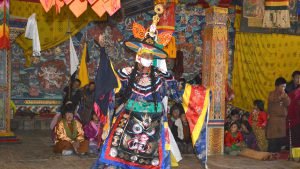
Beyond spirituality, Nyö plays a vital role in shaping Bhutanese cultural identity, influencing rituals, traditions, and community life while preserving a deep connection to the past.
Since 1224
III
History Timeline
A journey shaped across centuries, preserving spiritual tradition while evolving into a modern foundation.
1224
Monastery Founded
Establishment of Sumtrhang Monastery, laying the foundation for centuries of spiritual practice and cultural heritage.
1979
Gomday Established
Creation of Gomday to strengthen meditation practice, spiritual learning, and the continuation of sacred teachings.
2017
Foundation Established
Druk Nyö Foundation was formally established to expand spiritual, cultural, and community development initiatives.
Foundation history
IV
Details
The genesis of the Druk Nyö Foundation finds its roots in the Late 28th Sumtrhang Chöje Wangdrak Gyatsho’s (1949-2022) visionary endeavor. When the foundation was established, the name “Nyö” was chosen as a tribute to the age-old lineage, emphasizing its enduring legacy and commitment to preserving Buddhist teachings and Bhutanese heritage through diverse social causes. This act not only reflects a deep connection to the past but also serves as a beacon for the future, ensuring that the Nyö Foundation’s values and contributions remain integral to the Buddhist values and nation’s identity.
The historical narrative takes us back to 1224 AD when Nyöton Trulzhig Chöje (1179-1265), the son of Nyö Gyalwa Lhanangpa (1164-1224), founded the Sumtrhang Monastery. This pivotal moment marked the inception of the Nyö lineage and the Sumtrhang Chöjes in Bhutan. Since then, Nyö lineage holders has been a stalwart guardian of Buddhist teachings, fostering spiritual growth and cultural preservation paving through the currents of history.
In essence, Nyö transcends a mere clan name; it encapsulates a profound cultural ethos and spiritual tradition. The amalgamation of the past, present, and future within the Druk Nyö Foundation ensures that the legacy of Nyö endures, contributing to the vibrant tapestry of Bhutanese identity, Buddhist teachings, and human value.
Founder
V
28th Sumtrhang Chöje Wangdrak Gyatsho (1949–2022)
The 28th Sumtrhang Chöje Wangdrak Gyatsho devoted his life to preserving Bhutan’s spiritual traditions while guiding communities with wisdom, compassion, and vision. Rooted deeply in the Nyö lineage, his leadership bridged ancient teachings with modern societal needs.
His work extended beyond monasteries into education, cultural preservation, and community development — ensuring that spiritual values remained relevant in a rapidly changing world.
The 28th Sumtrhang Chöje Wangdrak Gyatsho, the founder of the Druk Nyo Foundation, was born in 1949 to his father, the 27th Sumtrhang Chöje Tshewang Tandin and mother Ani Tshogyal of Buli Gonpa. Early in his education, he studied Monlam Namsum with his father’s guidance and the Kudrung Droep of Nimalung. He also received the transmissions of Sumtrhang’s traditions from his father.
At the age of 18, he went to Trongsa Dratsang to study rituals, marking the beginning of his spiritual journey. His commitment to practice non-sectarian Buddha Dharma led him to receive the Dudjom Tersar lineage transmission from His Holiness Dudjom Rinpoche in 1970 at Tashigang and the Rinchen Terzoe from His Holiness Dilgo Khyentse Rinpoche in 1971 at Dechencholing in Thimphu. Additionally, he obtained the Kagyu Wang Lung Tri Sum from Kyabje Nyizer Trulku in Phunakha.
In 1979, he founded Sumtrhang Gomday, a lay practitioner spiritual community, which started with 23 dedicated gomchens. This initiative further showcased his commitment to fostering spiritual growth and communal well-being.
A pivotal encounter with His Holiness Drupwang Sonam Zangpo at Paljor Choling Goenpa in Toeb Metsena resulted in Chöje Rinpoche accepting him as his root teacher. For six years, he diligently practiced Mahamudra under the guidance of his revered teacher. However, the passing of his root teacher in 1982 brought a shift in his responsibilities.
In the years that followed, Chöje Rinpoche played a pivotal role in multiple capacities—serving as a school teacher under the guidance of Her Royal Highness Ashi Dechen Wangmo Wangchuk, while steadfastly upholding his sacred responsibilities as the Sumtrhang Chöje. Simultaneously, he also took on the significant duty of representing the people of Ura in parliament, demonstrating his commitment to education and service to the community demonstrated a harmonious blend of spiritual and secular responsibilities.
Notably, in 1997, with the gracious support and well-wishing of His Majesty the fourth King and a gift of Nu. 2,50,000, Chöje Rinpoche initiated the renovation of the Sumtrhang monastery. This endeavor aimed at preserving the rich cultural and spiritual heritage of Sumtrhang, a mission he championed with passion.
In his relentless pursuit to uncover the sacred Kama lineage of Vajrakila, the main practice at Sumtrhang, Chöje Rinpoche embarked on a transformative journey that led him to Yangthang Rinpoche. From this revered master, Chöje Rinpoche received crucial Kama empowerments and transmissions related to the profound practice of Vajrakila. His own root teacher, Drupwang Sonam Zangpo also played a pivotal role in imparting essential Vajrakila transmissions, from whom he received Sangdue Phurpa transmission. His guru also instructed him to go to Lama Gyelwang Nima to receive the transmission, which he did in the 1990s at Rinpoche’s residence in Changangkha.
In 2014, accompanied by his two eldest sons, he met His Holiness Drikung Kyabgoen Chetsang Rinpoche for the first time and received several empowerment and transmission from His Holiness. Since then, Sumtrhang reconnected with Drikung communities through His Holiness as Sumtrhang has its historical root to Drikung.
Reflecting on the hardship of preserving and upholding Sumtrhang monastery and its heritage and benefiting to the social causes, Chöje Rinpoche founded Druk Nyo Foundation in 2017 with aims to promote Spirituality, Education, Culture and Nature as the basis of value preservation and promotion. Today, the foundation has not only supported the long-overdue renovation works of the Sumtrhang monastery but also benefits farmers, schools, scholars, and others through its various projects.
The life of our founder exemplifies a harmonious blend of spiritual dedication, educational pursuits, and community service. He passed away in November 2022, leaving behind a profound legacy of compassion and service.
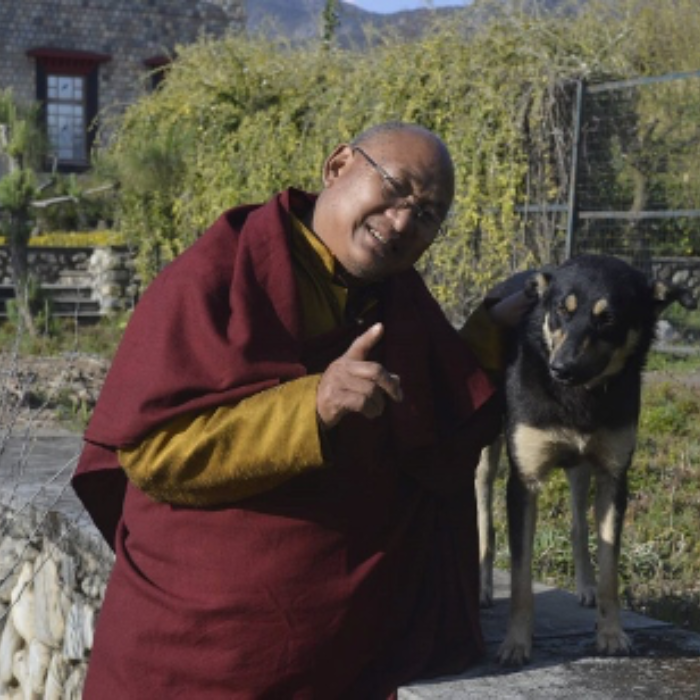
Spirituality must serve society — guiding, uplifting, and shaping future generations.
Key Contributions
- Revitalized spiritual institutions and monasteries
- Strengthened education and cultural preservation
- Expanded community development initiatives
Chronology
- 1949Born to the 27th Sumtrhang Chöje Tshewang Tandin and Ani Tshogyal of Buli Gonpa.
- 1970–1971Received the Dudjom Tersar and Rinchen Terzoe transmissions.
- 1979Founded Sumtrhang Gomday, which started with 23 gomchens.
- 1997Began the renovation of Sumtrhang monastery.
- 2014Met His Holiness Drikung Kyabgoen Chetsang Rinpoche.
- 2017Founded the Druk Nyö Foundation.
- 2022Passed away in November.
Sacred heritage
VI
Sumtrhang Monastery
A sacred center of spiritual practice and cultural heritage, carrying forward centuries of tradition and wisdom.
History
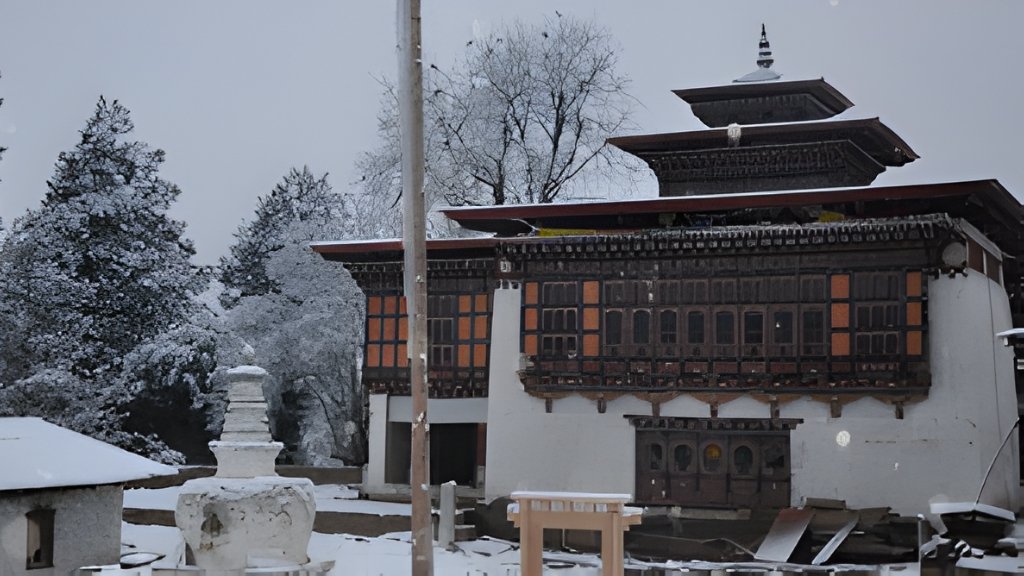
Sumtrhang Samdrup Chodzong located in Sumthrang village under Ura Gewog of Bumthang district in central Bhutan. It is considered one of the earliest dzongs build in Bhutan along with Paro Chalkha dzong, Thimphu Do Nyon dzong in the early 13th century founded by Nyö Gyelwa Lhanangpa and his son Nyoton Trulzhig Choje. Sumthrang was also one of the first monasteries established as the center for the practice of Vajrakila in Bhutan. As one of the oldest religious center, it houses some of the country’s most sacred relics and has been a vibrant center of religious and cultural life.
Cultural Importance
According to the oral narrative, which is well established, it is said that Nyö Gyelwa Lhanangpa, one of the principle disciples of Drikung Jigten Sumgoen and the lineage holder of Nyo tradition founded Sumtrhang. However, according to existing written sources his son Nyoton Trulzhig Choje, who was an accomplished Vajrakila yogi have established the Sumtrhang monastery in early 1200s. Since then, Sumtrhang became the hereditary lineage of Nyö in Bhutan becoming an earliest Vajrakila practicing center in Bhutan. The father Nyö Gyalwa Lhanangpa is also the first Buddhist figure who build first dzong in Bhutan and started monastic school at Chelkha in Paro in 1194. Later the growth of Chelkha branches in the western part of Bhutan came to be known as Lhapa Kagyu. It became prominent in western Bhutan until it lost its dominance to the powerful Drukpa Kagyu school later in 1600s.
Sumtrhang monastery is built on a symbolic landscape with a cliff resembling like a stack of texts at the north, a hill resembling a conch shell at the south, a rocky terrain in the shape of swastika at the east and a milky brook at the west. The temple was built on a ground where a four sided stone pillar stands symbolizing the pillar of four activities. This stone pillar is housed in the ground floor of the temple today.
The cliff at its north known as Sumtrhang Drag is where the retreat center is located and around which is dotted with ruins of hermit houses of the monastery’s retreat center of its incumbent lineage holders, accomplished siblings and their followers. This area is now revived by His Holiness Drikung Kyabgon Rinpoche and renamed as Sumtrhang Dorji Nak’re Drupday. The cliff which stand divided into two blocks are known as the Sharling the eastern block and Nubling the western block. It was named after Nyö Lhanangpa establishment of Sharling and Nubling on Ngyenchen Thanglha in Drikung. It was started by 5th Sumtrhang Choje Jamyang Drakpa Yoezer, who is also famous Pema Lingpa’s paternal grandfather.
Sumtrhang Chojes also established many other temples and such as the Shingnyer in Ura, Bumthang, Zhongmey, Bumder, Khenyel Lhakhang, and Wangzhing in Lhuentse, Shingkar, Wamling, Khomshar, Radhi, Kalamti, Bjoka Lhakhang and so on in Zhemgang district’s Kheng region. This places still worship Sumtrhang’s protector deity Draktsen Dorji Dradul as their local guardian deity maintaining the cultural history associated to Sumtrhang.
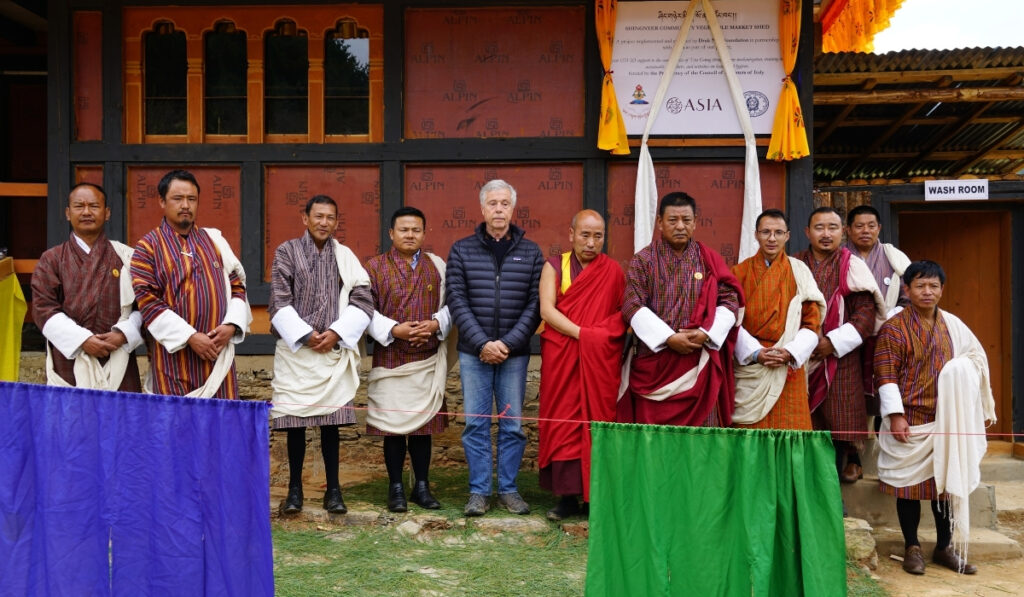
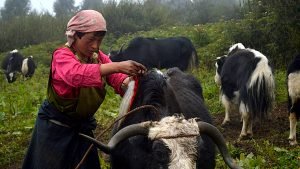
Sumtrhang has been in decline for a few generations from its spiritual and religious glory for many generations. Therefore, it has been undergoing a process of gradual restoration since 90s initiated by our late 28th Sumtrhang Chöje. In 2000, the main temple was partially renovated and by 2021we are able to restore major part of physical structure of the monastic complex in partnership with ASIA, Italy. However, we still have so many major projects to fulfil the full revival of the Nyo tradition that is very significant to the history, cultural, and religion of Bhutan.
Gallery
Leadership
VII
Our Team
Guided by wisdom, experience, and dedication, our leadership works together to preserve heritage and create meaningful impact.
Advisory Council

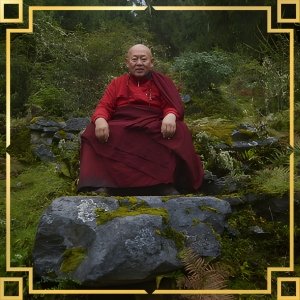
HH Drikung Kyabgon Chetsang Rinpoche
Advisor
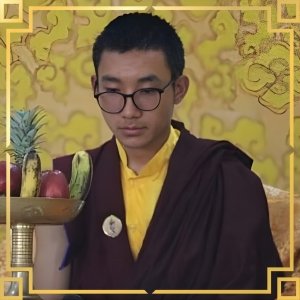
Dungsey Thinley Namgyel Wangchuk
Advisor
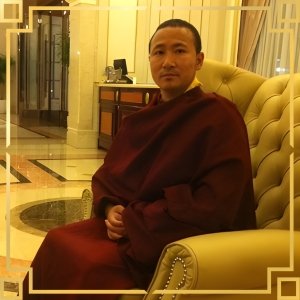
Venerable Acharaya Kinley Gyeltsen
Advisor
Board of Directors
Dungsey Thinley Namgyel Wangchuk
Chair of the Founding Committee
Dungzin Sonam Nyenda
Executive Director
Nyo dza (Dr) Sonam Choden
Secretary of the Founding Committee
Dungsey Samten Yeshi
Treasurer of the Founding Committee
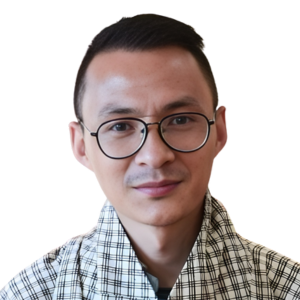
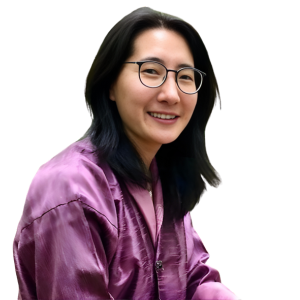
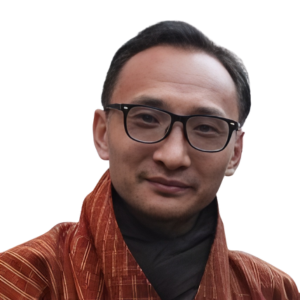
Management Team
Dungzin Sonam Nyenda
Executive Director
Tshering Choki
Program Officer
Kinley Dorji
Admin & Finance Officer